Home / Insights
Writing
Technical insights
Working notes on low-voltage DC servo drives: how the force-control architecture works, what the published specifications actually mean, and the bench-side details that decide whether a motion problem gets solved. Written from my own engineering practice — where something is my opinion rather than a specification, I say so.
How current-based force control actually works
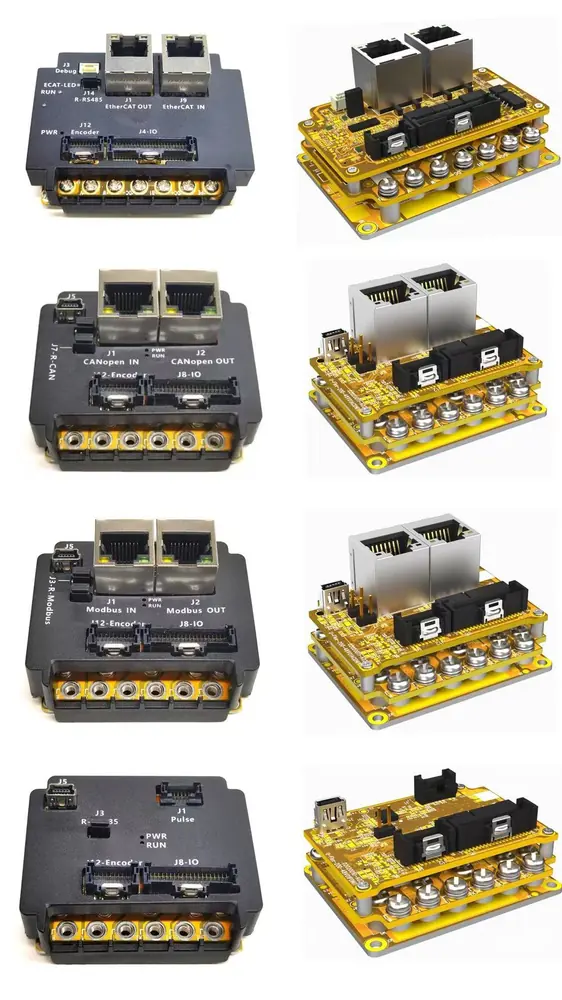
What a drive measures when it limits force, why that differs from a force sensor, and what it means for your process.
What “10 grams” really means
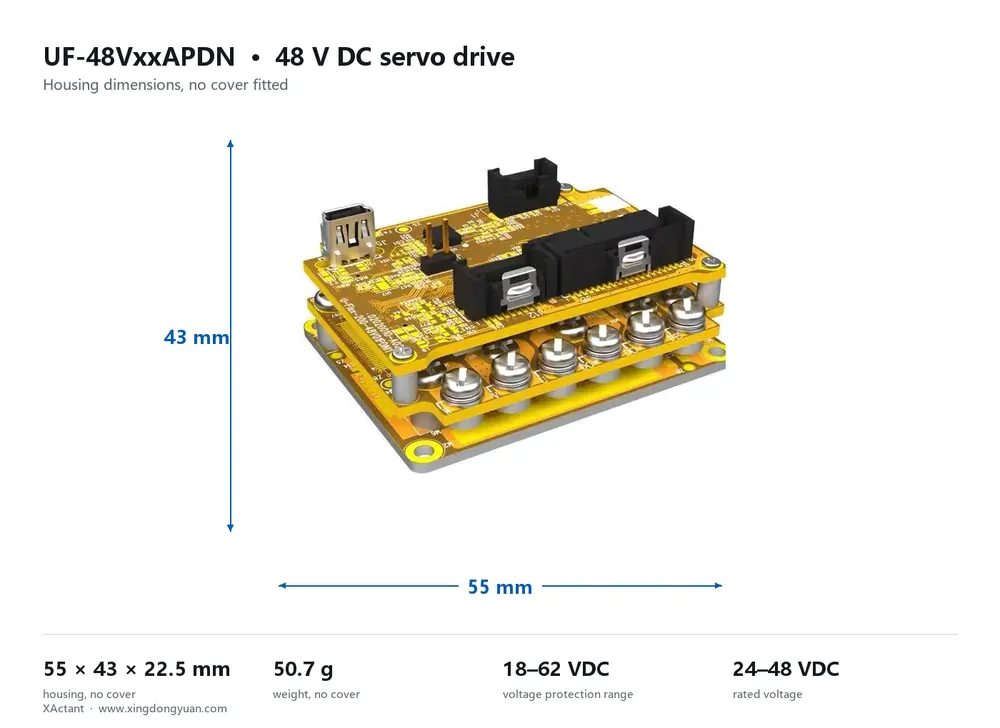
Where the 10 g soft-landing figure comes from across the industry, what is actually measured, and how the architecture differs.
Force control in semiconductor post-bonding
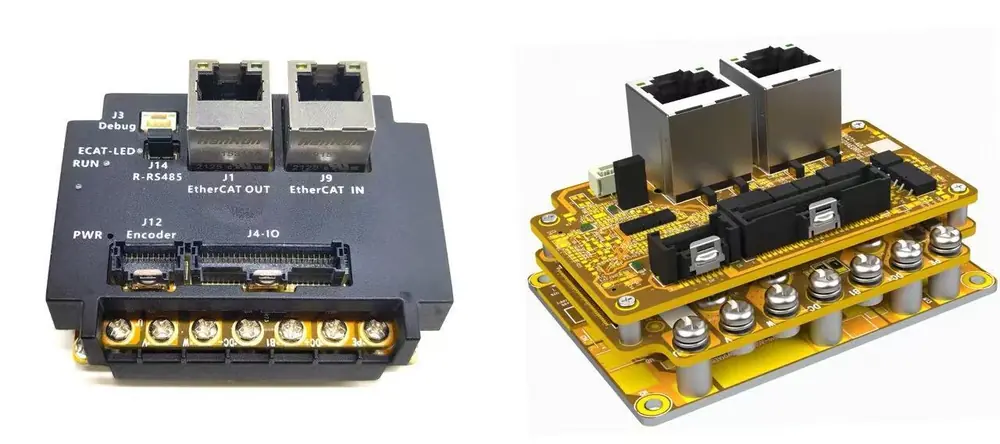
Die attach, wire bond and packaging stages where contact force decides yield.
Choosing an encoder for a low-voltage DC servo drive
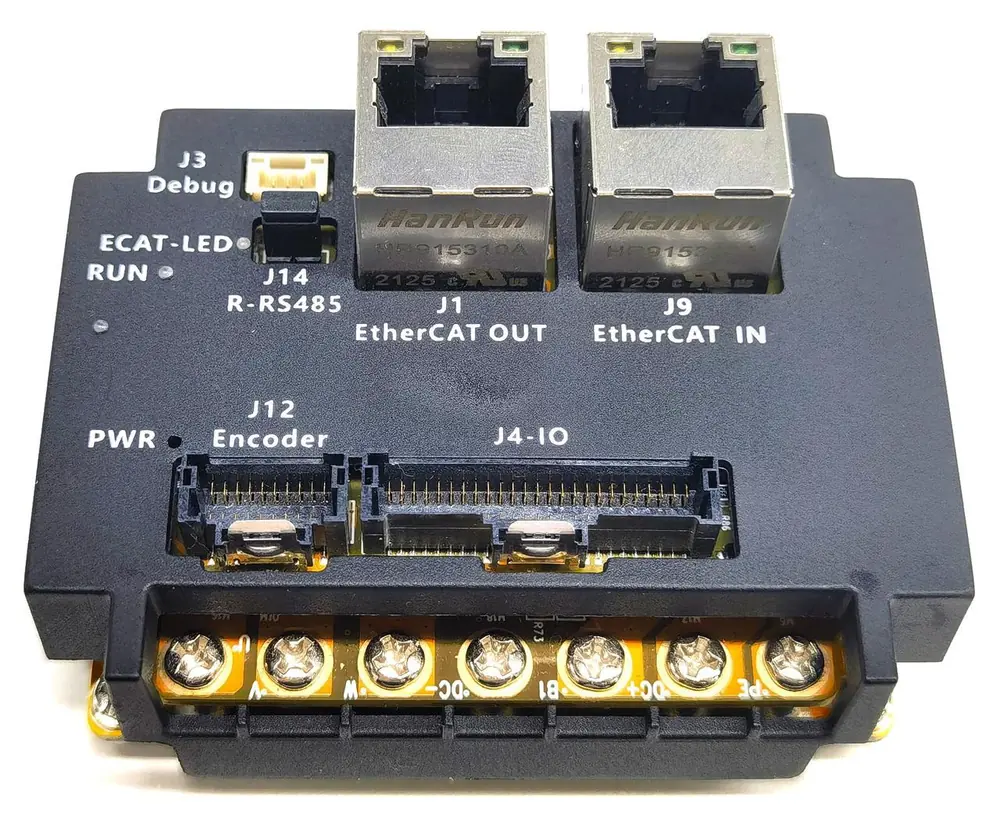
Incremental vs absolute, ABZ, BiSS-C, SSI, EnDat 2.2, Tamagawa and Nikon — what each is good for.
Servo gain tuning basics
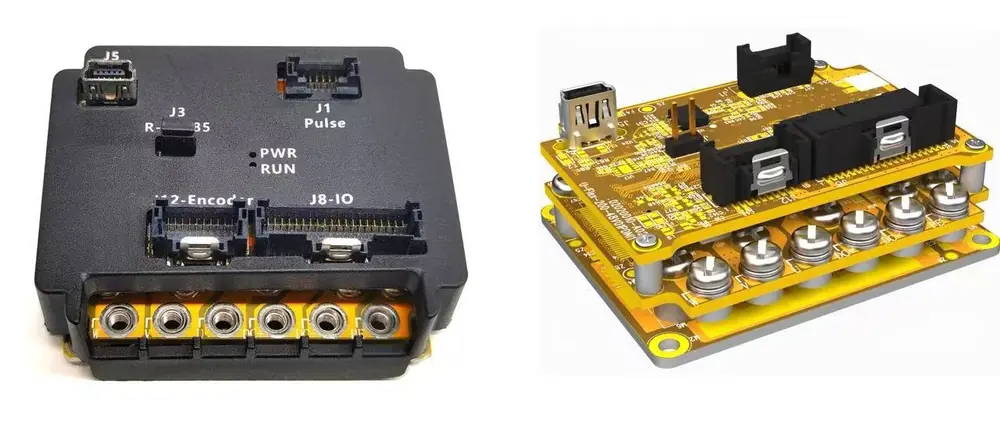
From inertia mismatch to a stable response: the tuning sequence I actually follow at the bench.
STO and functional safety
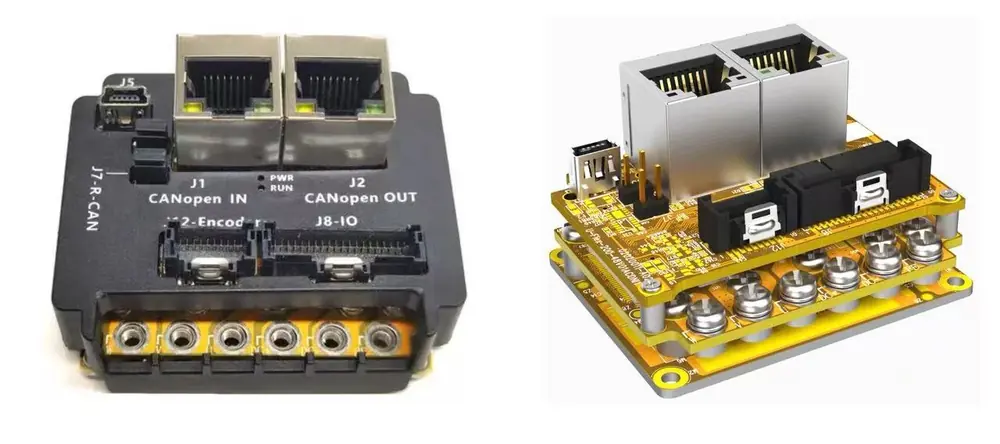
What STO does, what it does not cover, and where your risk assessment still has to do the work.
EtherCAT cycle time explained
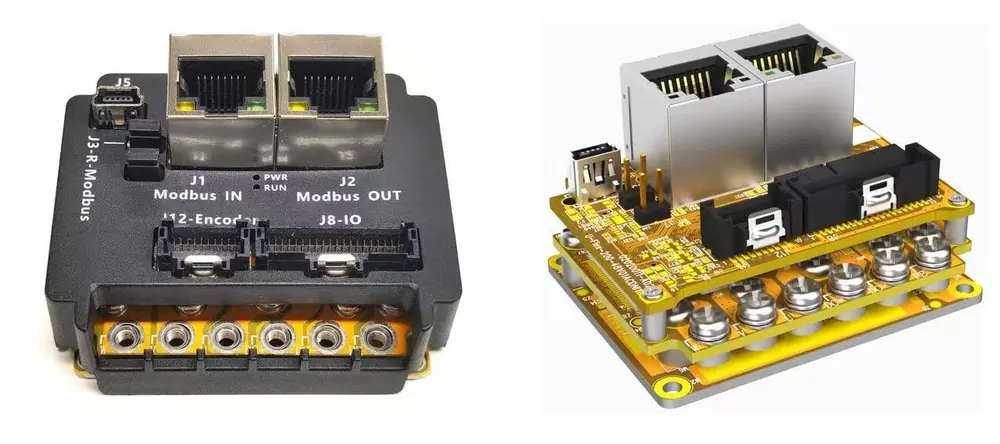
Bus cycle time vs current-loop frequency — the two numbers that get confused, and which one your axis depends on.
Multi-segment trajectory control
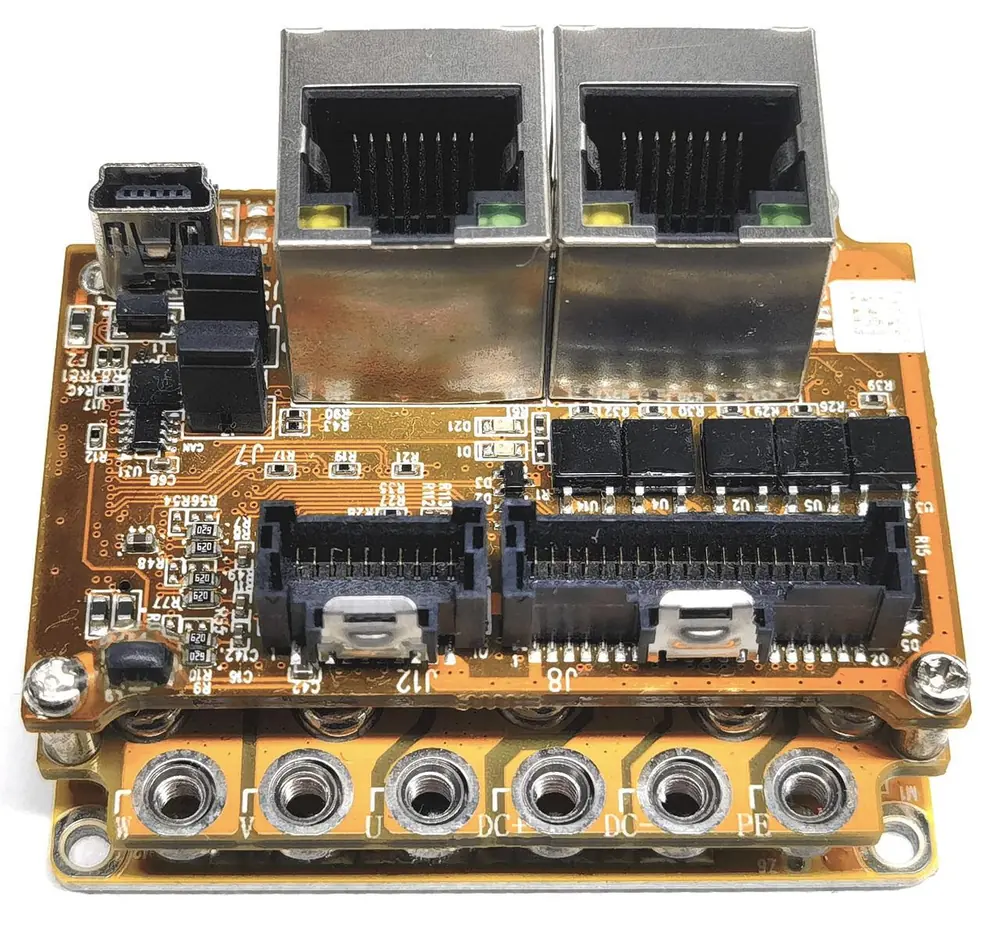
What moving the trajectory loop inside the drive changes, and what it does not replace.
Soft landing in die attach
Why contact force beats position accuracy when the part is a fragile die on a collet.